

Choose Anchors for Hanging Pictures by Wall Type and Weight
Choose anchors for hanging pictures by checking two things first: the wall material and the fully assembled weight of the frame. Use light-duty picture hooks or plastic anchors for small frames, threaded drywall anchors for moderate loads, and metal toggle or strap-toggle anchors for heavier pictures on hollow drywall when no stud is available. For brick or concrete, use a masonry-rated anchor or concrete screw instead.
A screw alone is best when it goes into a wood stud. In hollow drywall, a wall anchor spreads the load over a wider area and helps prevent the screw from pulling out. As a practical safety step, do not plan to use an anchor at its maximum listed rating. Choose hardware with a comfortable margin for the frame’s weight, its size, and any pull created by picture wire.
At Western Wholesale Supply, we are third-generation building-materials professionals in Idaho with hands-on experience supporting contractors who work with drywall, steel framing, and related materials. In this guide, we will help you select and install anchors for hanging pictures with the same focus on sound materials and dependable results used on a jobsite.
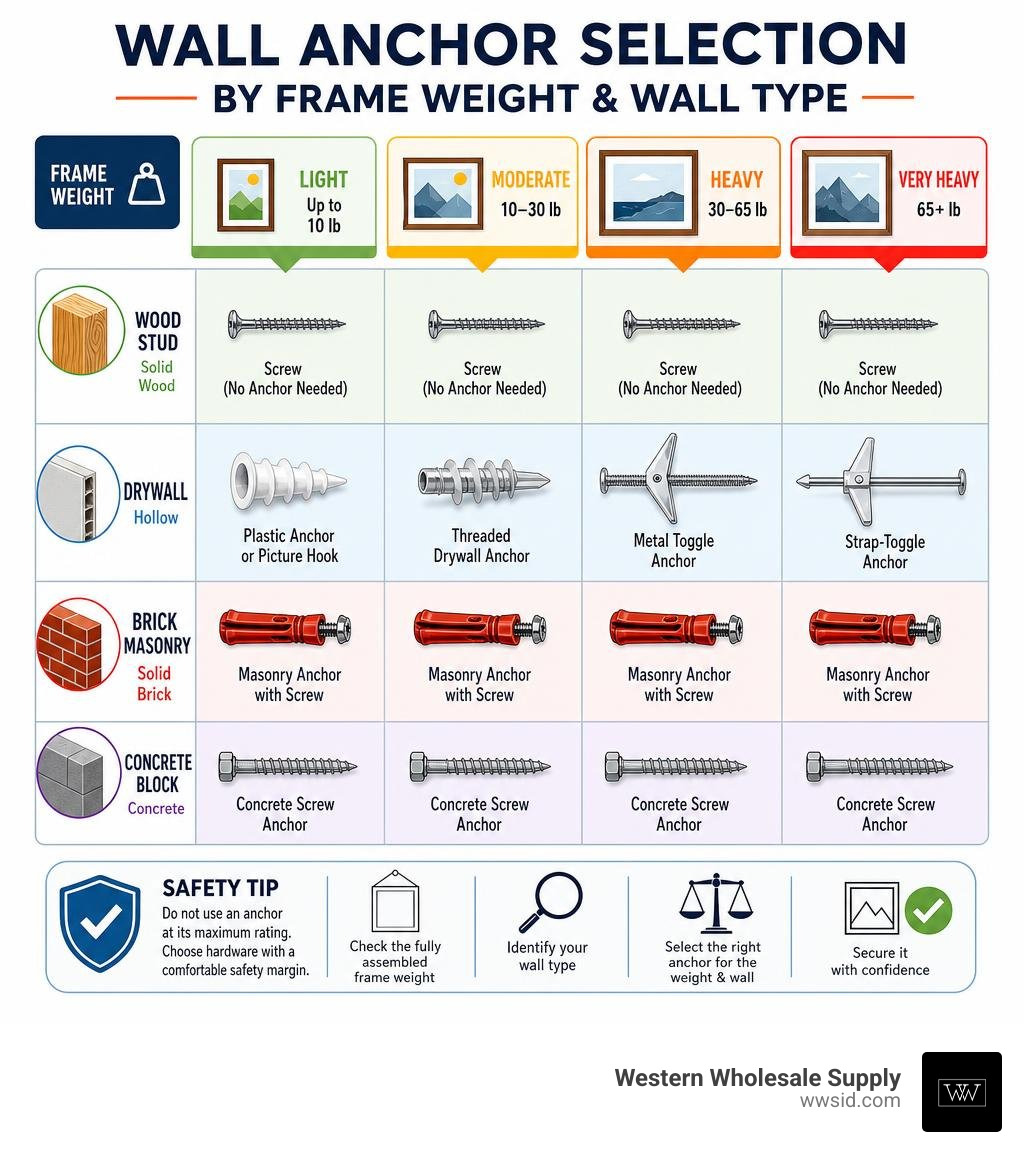
Simple guide to anchors for hanging pictures:
Types of Anchors for Hanging Pictures and Their Weight Limits
When mounting decor, mechanical forces act on your fasteners in two distinct ways: shear load (downward gravitational pull parallel to the wall) and tensile strength (outward pull-out force perpendicular to the surface). Picture frames primarily exert shear force, but angled hanging wires can add unexpected outward tension. To maintain long-term structural integrity, professional building standards recommend calculating a 4:1 safety factor. This means dividing a manufacturer’s maximum ultimate static load rating by four to determine your safe working load.
| Anchor Type | Safe Working Load | Primary Wall Compatibility | Key Mechanism |
|---|---|---|---|
| Plastic Expansion Sleeves | Under 15–25 lbs | Solid Drywall, Concrete, Brick | Expands radially inside solid core |
| Self-Drilling Threaded Anchors | Up to 45–50 lbs | 1/2″ to 5/8″ Drywall | Deep threads bite gypsum board |
| Hardened Steel Claw Hangers | 15–65 lbs | Hollow Drywall, Plasterboard | Hardened steel prongs lock into board |
| Standard Molly Bolts | 10–50 lbs | Drywall, Plaster over Lath | Slotted steel sleeve expands behind wall |
| Spring Toggle Bolts | 25–50 lbs | Hollow Walls, Block Cavities | Spring wings open inside wall cavity |
| Heavy-Duty Strap Toggles | 70–100+ lbs | Drywall, Hollow Masonry | Solid metal channel clamped to backing |
| Interlocking Structural Anchors | Up to 300 lbs | 1/2″ to 1.3″ Drywall | Dual-arm vector load distribution plate |
Light to Medium-Duty Hardware
For framed prints, diplomas, and small canvas art, you do not need oversized structural anchors. Light-to-medium fasteners grip the gypsum core without requiring massive clearance holes:
- Plastic Expansion Sleeves: Designed for loads under 15 pounds, these nylon or plastic plugs expand outward as a screw is driven in. While effective in solid masonry, they offer minimal resistance in hollow drywall.
- Self-Drilling Threaded Anchors: Fasteners like zinc or nylon threaded anchors cut directly into gypsum board. Products such as Snap Skru self-drilling anchors hold up to 45 pounds safely by engaging wide exterior threads without pre-drilling separate sleeves.
- Hardened Steel Claws & Picture Hooks: Tool-free solutions like the 3M CLAW™ 65 lb. Drywall Picture Hanger With Spot Markers or the smaller 3M CLAW™ Drywall Picture Hanger 15 lb lock hardened steel prongs directly into the gypsum paper face. For simple small frames under 10 pounds, a traditional zinc-plated Anchor 10 Lb. Capacity Steel Picture Hanger or dual-tooth Cobra Anchors WallBiter (rated 8 to 13 lbs shear) provides reliable hold.
- Adhesive Strips: For smooth, painted walls where no holes are permitted, Command™ 10 lb Narrow White Picture Hanging Strips can hold up to 10 pounds using four interlocking pairs.
To explore additional light-duty options, see The Definitive Guide to Drywall Anchor Types for Easy Installation.
Heavy-Duty Hollow Wall Fasteners
Heavy framed mirrors, solid wood frames, and large canvas paintings require fasteners that distribute weight across the back of the wallboard rather than relying solely on the brittle gypsum core:
- Spring-Wing Toggle Bolts: A machine screw threads through a spring-loaded metal wing. Once pushed through a hollow cavity, the wings snap open and pull flush against the hidden side of the drywall, managing 25 to 50 pounds of static load.
- Strap / Zip Toggles: Modern strap toggles use a solid metal channel guided by flexible plastic straps. A sliding collar locks the metal backing bar permanently against the rear face of the drywall, enabling you to back the screw out repeatedly without losing the anchor inside the wall cavity.
- Molly Bolts (Hollow Wall Anchors): A permanent metal casing with expanding side legs. As the screw tightens, the metal legs compress tightly against the interior drywall face. Learn more in our guide to The Definitive Guide to Molly Fasteners.
- Interlocking Hollow Wall Anchors: Commercial-grade hollow anchors, such as the MASTER Anchor, use heavy-gauge stainless steel machine screws and interlocking wings to distribute vector forces, holding ratings up to 300 pounds in vertical drywall. Review the manufacturer’s The World’s Strongest Fastener specifications for technical requirements.
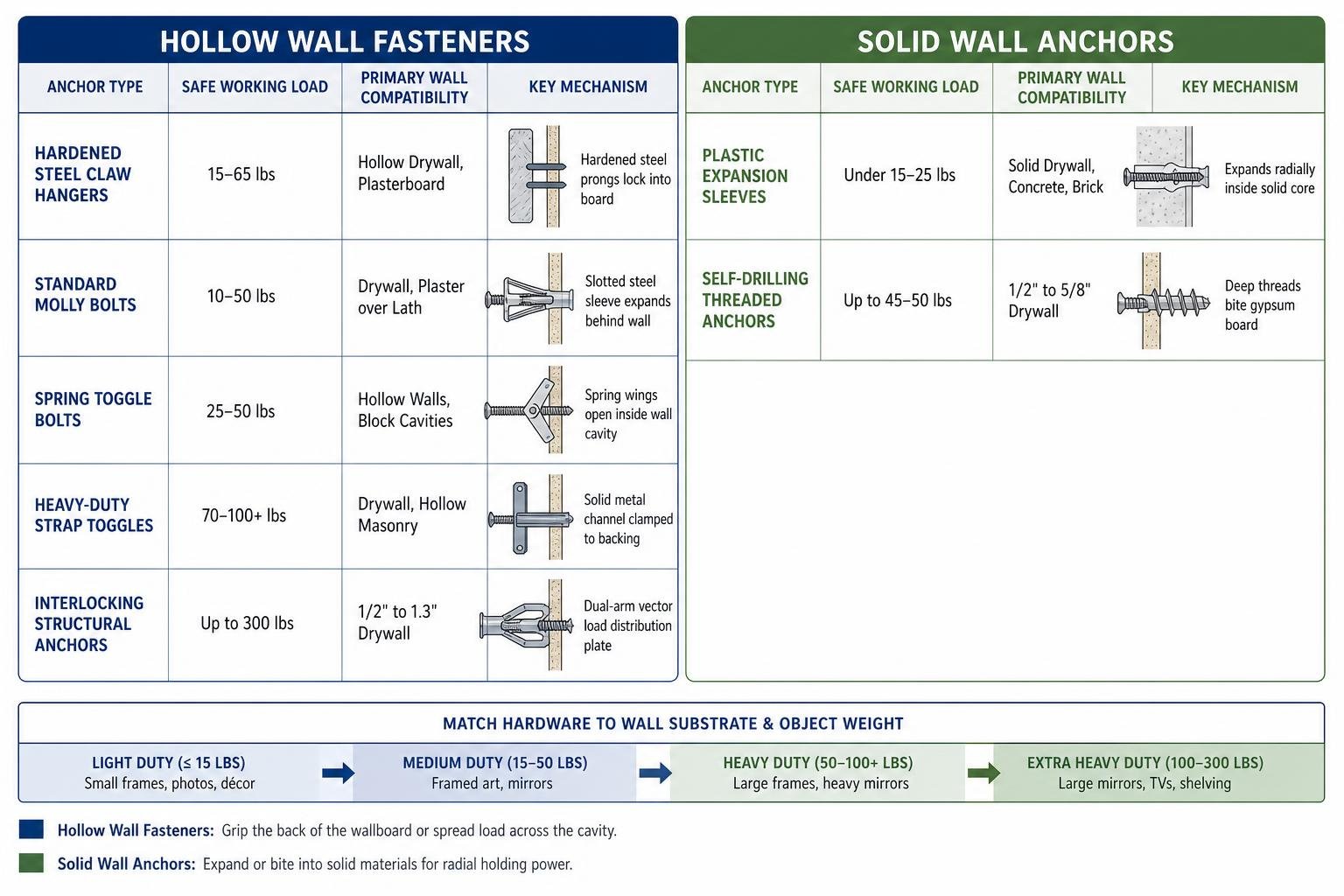
Matching Hardware to Wall Substrates and Object Weights
Different wall substrates handle mechanical stress differently. Understanding your wall construction ensures your hardware grips securely rather than crumbling the core material.
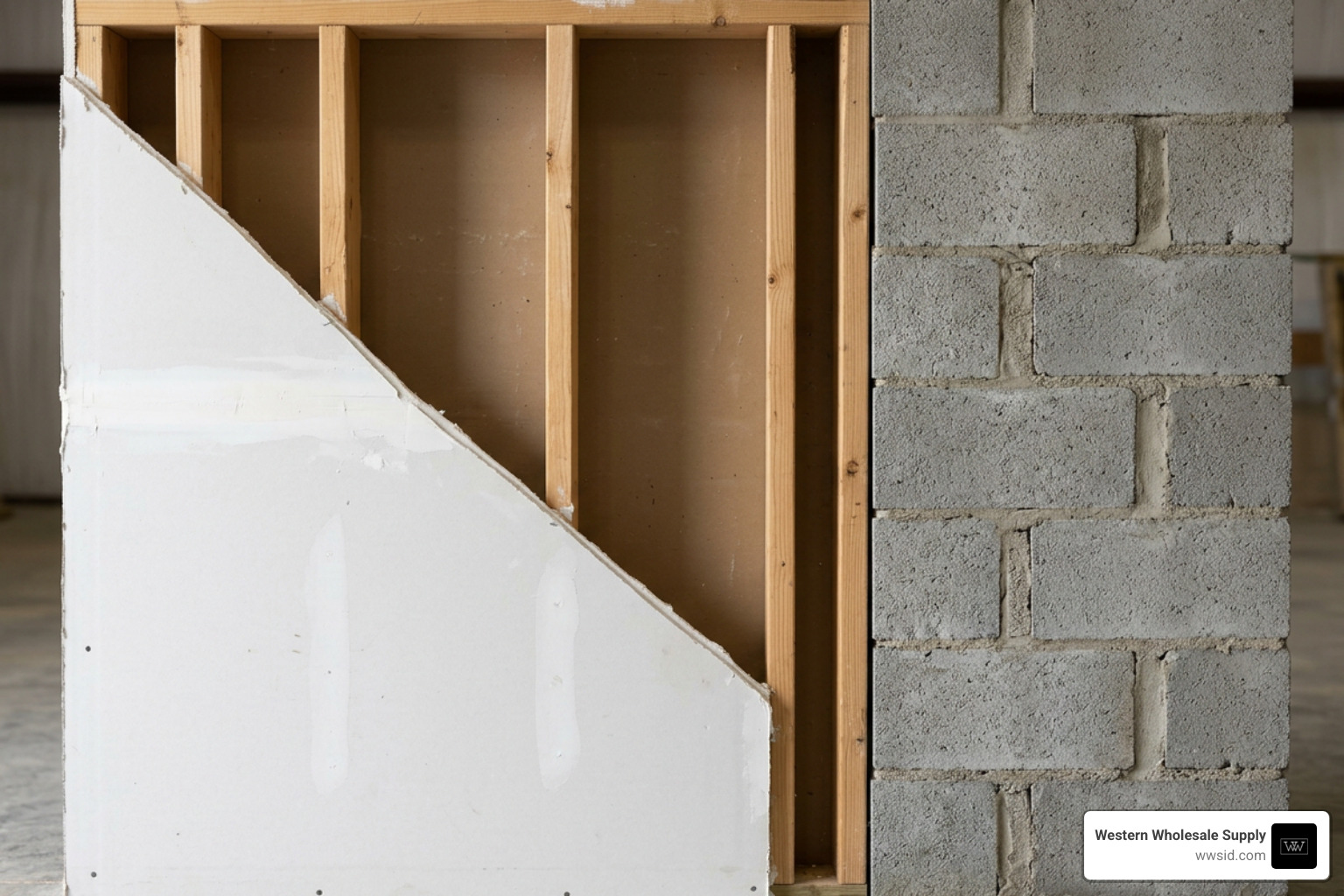
Choosing Anchors for Hanging Pictures by Wall Substrate
Before drilling, identify your wall material:
- Standard and Sound-Rated Drywall (1/2″ to 5/8″): Modern homes and commercial spaces across Idaho and Wyoming feature standard gypsum panels or specialty acoustic boards like Quietrock EZ Snap. Self-drilling anchors, strap toggles, and molly bolts perform well by spreading shear loads across the paper facing. Review our Beginners Guide to Choosing the Right Drywall Anchor for material comparisons.
- Plaster and Lath: Common in historic homes, plaster is brittle and will crack under conical expansion plugs. Use molly bolts or strap toggles that clamp the wooden lath strips behind the plaster coat.
- Solid Brick and Concrete: Hollow wall toggles will not function here. Use rotary hammer drilling with carbide masonry bits, then install hardened steel concrete screws (such as Grabber or Brighton Best masonry fasteners) or lead expansion shields.
- Tile and Backerboard: If mounting in tiled areas or bathrooms over cement boards like Durock, drill through the tile with a diamond-tipped bit and secure your anchor into the structural substrate behind it.
When to Fasten Directly into Studs or Use Cleats
Standard residential wall framing places wood or light-gauge steel studs 16 inches on center (or 24 inches in some commercial designs). Whenever your artwork exceeds 40 to 50 pounds, bypassing drywall anchors in favor of direct stud engagement is the safest approach.
For oversized frames, heavy glass shadow boxes, or mirrors weighing over 100 pounds:
- Locate Two Studs: Use an electronic stud finder or rare-earth magnet to identify two consecutive studs spanning a 16-inch bay.
- Install an Interlocking French Cleat: Mount an aluminum or hardwood French cleat directly across both studs using structural wood screws.
- Use a Wood Backing Board: If your frame’s hanging brackets do not align with the stud layout, fasten a 1/2-inch finish-grade plywood strip into adjacent studs, then secure your picture hooks directly into the solid wood backing.
Installation Guide and Essential Tools
Having the right tools ready prevents damaged drywall, misaligned frames, and stripped fastener threads:
- Cordless Drill & Driver: For boring precise pilot holes and setting anchors cleanly.
- Carbide Drill Bits: Matched exactly to the anchor sleeve’s outer diameter.
- Hand Screwdrivers (#2 Phillips & Flathead): Hand-tightening prevents stripping delicate anchor threads.
- Torpedo Level & Tape Measure: Ensures dual mounting points are level.
- Setting Tools: Specialized pliers used to expand hollow wall molly sleeves without twisting.
- Finishing Knives & Spackling: For patching holes, keep professional drywall tools on hand (such as Hyde, USG Sheetrock Tools, Columbia Taping Tools, or Marshalltown).
Explore our comprehensive reference on Drywall Tools 101 for tool selection details.
Installing Anchors for Hanging Pictures Step by Step
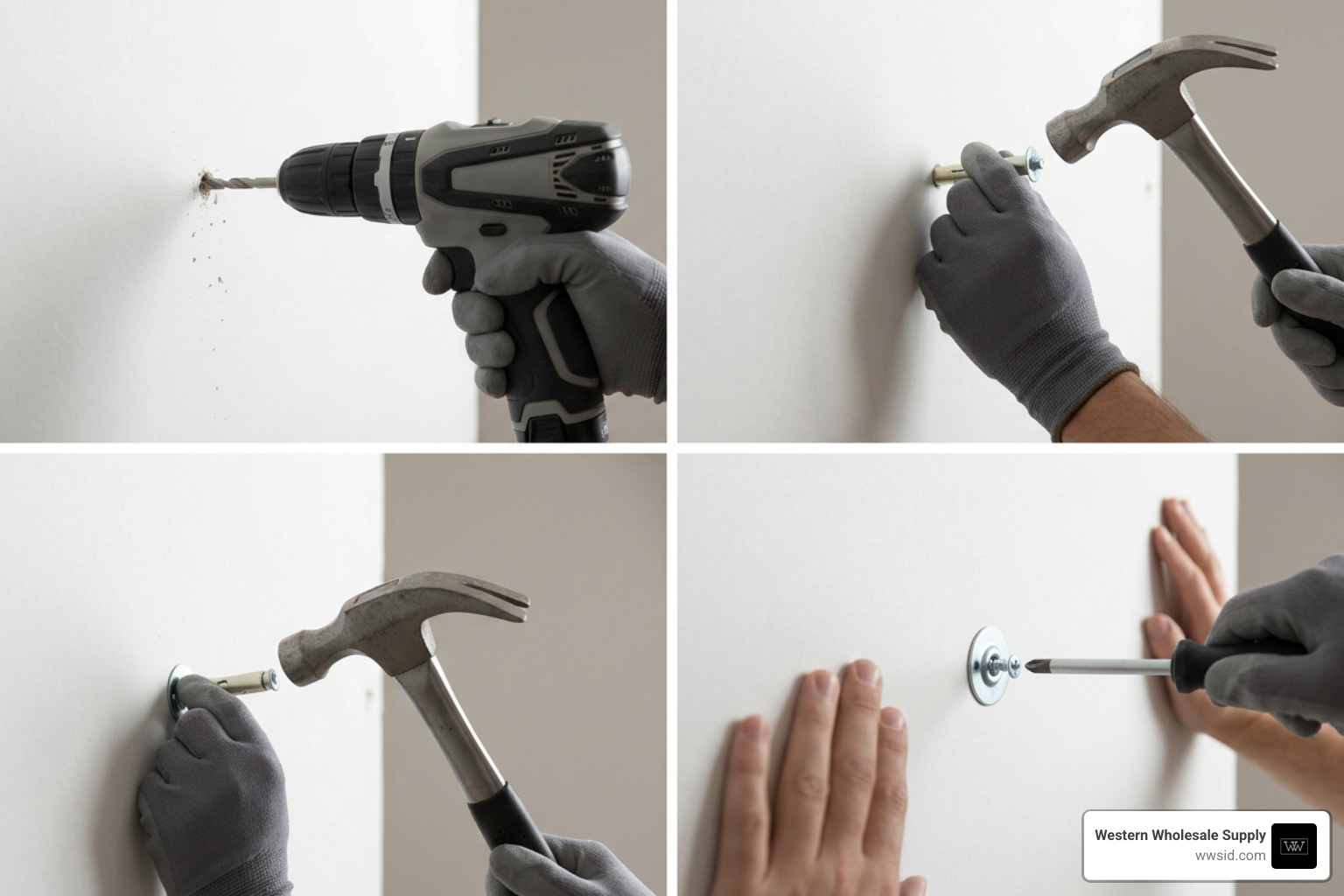
- Weigh the Frame: Use a scale to record the total weight of the frame, including glass and backing. Add a 25% to 50% safety margin to accommodate downward wire tension.
- Mark the Hanging Point: Hold the picture at eye level, measure the distance from the top of the frame to the taut picture wire or D-ring, and mark the anchor location with a pencil.
- Drill the Pilot Hole: Check the anchor packaging for the exact bit diameter. Drill straight into the wallboard at a 90-degree angle.
- Seat the Anchor:
- For Plastic Sleeves or Molly Bolts: Push the anchor body into the hole and tap gently with a hammer until the collar sits flush against the drywall paper.
- For Molly Bolts: If you have a setting tool, engage the tool to flare the legs. See How to Use a Hollow Wall Anchor Tool in 7 Days for complete steps.
- For Self-Drilling Screws: Drive the threaded sleeve with a hand screwdriver until the wide rim meets the wall face smoothly.
- Fasten the Hanging Hardware: Insert the pan-head screw through your picture bracket or leave roughly 1/4 to 1/2 inch of the screw shank exposed to catch the frame’s hanging wire.
Safe Removal and Drywall Patching Techniques
When redecorating or relocating, remove wall hardware cleanly to keep your drywall intact:
- Removing Threaded & Push Anchors: Back out the screw, insert a Phillips screwdriver into the anchor head, and rotate counterclockwise. For steel claw hangers, slide a flathead screwdriver under the metal edge and pry gently away from the wall.
- Dealing with Molly Bolts: The threaded core can be backed out, but the expanded metal sleeve remains inside the wall cavity. Place a larger drill bit over the exposed collar and spin lightly to pop off the anchor face, allowing the expanded barrel to drop behind the wall.
- Patching the Hole: Clean loose gypsum dust from the opening. Press lightweight spackling compound into the cavity with a flexible putty knife. For larger holes left by 3/4-inch toggle holes, apply mesh tape or follow our guide on How to Cut Drywall in 6 Simple Steps before sanding smooth.
Common Mistakes to Avoid When Hanging Heavy Artwork
Avoid these common pitfalls to protect your walls and artwork:
- Over-Tightening Screws: Driving a self-drilling anchor too aggressively with a high-speed cordless impact driver will strip the gypsum core into powder, eliminating holding capacity.
- Using Plastic Plugs in Hollow Drywall: Standard conical plastic plugs rely on friction against a solid material. In hollow drywall, they easily pull straight out under moderate shear weight.
- Ignoring Hanging Wire Vector Angles: A wire pulled tight across the back of a frame exerts steep inward tension on side D-rings and pulls outward against the wall anchor. Keep hanging wires at a shallow angle or hang directly from two spaced D-rings.
- Using the Wrong Screw Head Profile: Bugle-head drywall screws sit at a taper that can slip out of D-rings or picture wire brackets. Always use pan-head or round-head machine screws from reliable manufacturers like Brighton Best or Grabber.
Frequently Asked Questions About Picture Hanging Hardware
Do I always need wall anchors for hanging pictures, or can I use screws alone?
You only bypass wall anchors when driving a screw directly into a wood or steel framing stud. A standard screw driven into hollow drywall alone will bite into only 1/2 inch of soft gypsum core; over time, the threads strip out and the frame falls. For lightweight frames under 10 pounds, a dedicated angled nail picture hook or damage-free adhesive strip works without an anchor. Anything heavier on hollow wallboard requires an appropriate drywall anchor to distribute the shear load across the panel face.
How do I hang heavy pictures securely without studs?
To hang artwork or mirrors weighing between 40 and 100 pounds when studs are unavailable, use heavy-duty steel spring toggle bolts or strap toggles (zip toggles). These fasteners pass through a drilled pilot hole and clamp a solid metal channel against the hidden backside of the drywall. To increase security, install two horizontally leveled toggle anchors spaced several inches apart to divide the static shear load evenly across the wall section.
Can wall anchors be removed and reused?
Certain anchors—including hardened steel claw hangers, tooth-grip picture hooks, and self-drilling threaded anchors—can be removed and reinstalled in new locations. However, standard molly bolts and spring toggle bolts leave their expanding mechanisms behind the wall cavity once detached, meaning the internal toggle falls and only the machine screw can be reused. Expanding plastic sleeves also lose their structural integrity upon screw extraction and should be replaced with new sleeves.
Conclusion
Hanging artwork and decorative mirrors securely comes down to understanding the relationship between frame weight, mechanical shear forces, and your specific wall substrate. By applying a practical 4:1 safety factor and selecting the right fastener—from simple push-in steel claw hangers for lightweight family photos to heavy-duty strap toggles for oversized mirrors—you can display your wall decor with lasting confidence.
At Western Wholesale Supply, we have provided premium building materials across Eastern Idaho, Western Wyoming, and surrounding communities since 1963. As an independent, third-generation family business, we supply contractors and builders with commercial-grade drywall, steel framing, acoustical ceiling systems by CertainTeed, and structural fasteners from trusted names like Brighton Best and Grabber. For further reading on wallboard fastening, visit our A Comprehensive Guide to Drywall Anchors for Hanging Pictures or stop by your local showroom in Idaho Falls, Pocatello, Jackson, or Twin Falls to discuss your project with our experienced team.
